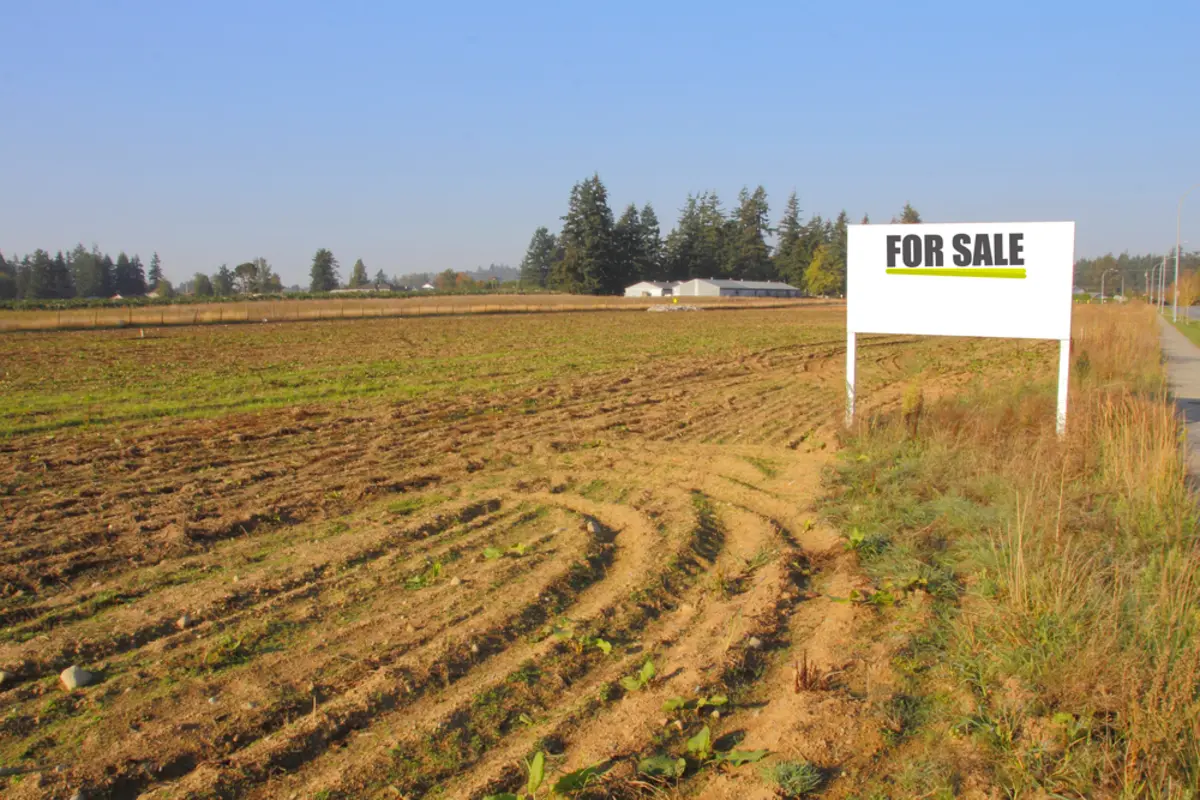
If you own land in the U.S. and keep getting low cash offers, you are not alone. Landowners often describe a steady stream of postcards, letters, and texts with very low numbers, especially for vacant land and out-of-state parcels.
Here is the helpful reframe.
Most low offers are not because your land is worthless. They happen because the buyer sees uncertainty and risk, or assumes you will take a discount for convenience.
A lowball offer is usually one of these:
Land value depends heavily on facts, not just acreage. The fastest way to improve offers is to remove the unknowns.
Create a one-page “Land Fact Sheet” and share it with every buyer. This is the fastest way to stop getting discounted for uncertainty.
1) You are anchored to assessed value
Why it causes low offers: assessed value is mainly used for property tax purposes, while market value reflects what buyers are actually paying.
Fix this week: pull 3 to 10 recent sold comps with similar size, location, access, and zoning. Use comps as your anchor, not assessments.
2) Legal access is unclear
Why it causes low offers: if access is uncertain, buyers price in the worst case.
Fix this week: pull the recorded easement document if it exists, screenshot the county map showing access, and take photos of the entry and road.
3) Buildability is unclear (zoning, setbacks, septic)
Why it causes low offers: if a buyer cannot confidently build, they assume they cannot.
Fix this week: call county planning and ask zoning, minimum lot size, setbacks, and allowed uses. Put the answers in your Fact Sheet.
4) Utilities are a question mark
Why it causes low offers: “maybe power is nearby” is not a fact, so buyers discount.
Fix this week: call the electric provider and ask where the nearest pole is. If you have public water, call the water district. Add the results to your Fact Sheet.
5) Septic is a question mark
Why it causes low offers: if septic is required and feasibility is unknown, buyers discount aggressively.
Fix this week: ask the county health department what the first step is in your area, and what a typical timeline looks like.
6) Boundaries are fuzzy
Why it causes low offers: buyers fear disputes, encroachments, or acreage surprises.
Fix this week: if you cannot survey now, provide a clear map screenshot and be honest about survey status. If you can survey, it often raises buyer confidence quickly.
7) Title issues exist (liens, heirs, delinquent taxes)
Why it causes low offers: title friction can stall closings, so investors discount for it.
Fix this week: call a local title company and ask what they need to run a preliminary title check. If inherited, confirm who must sign.
8) You are only hearing from off-market buyers who expect a discount
Why it causes low offers: many unsolicited offers are designed to buy at a discount. Landowners frequently complain about low “cash” outreach offers.
Fix this week: add even one extra marketing channel so you are not negotiating with only one buyer type.
9) Your photos and info are thin
Why it causes low offers: missing info makes buyers assume hidden problems.
Fix this week: take 15 strong photos, add a GPS pin, add simple directions, and share the one-page Fact Sheet.
10) The land has real constraints, but you are not framing them
Why it causes low offers: floodplain, steep slope, easements, and HOA rules affect value. If you do not explain them, buyers assume worst case.
Fix this week: state the issue clearly, show the map if you can, and describe the best use honestly.
11) You compare offers by price only, not certainty
Why it causes low offers: some “higher offers” are not real because the buyer can cancel easily or renegotiate later.
Fix this week: compare terms first: earnest money amount, deposit deadline, due diligence length, extensions, assignment rights, and who pays costs. Earnest money is commonly used as a good-faith deposit held in escrow, with refund rules controlled by the contract and circumstances.
777 Brickell Ave, Suite 500-99620, Miami, FL 33131
Script A: Ask for real terms first
Thanks for the offer. Before I can consider price, please confirm: (1) earnest money amount and when it will be deposited with title, (2) due diligence length, (3) whether the contract is assignable, and (4) who pays closing costs. If those terms are clean, I will review your best number.
Script B: Anchor to data
I am pricing based on recent sold comps with similar access and zoning. If you can share how you reached your number, I will look at it. Otherwise I will pass.
Script C: Counter with structure
I cannot accept $X. I can do $Y with a 14-day due diligence period, earnest money deposited within 48 hours, no assignment, and closing by [date].
Day 1: Build the one-page Land Fact Sheet
Day 2: Pull comps and set a realistic price range
Day 3: Verify access and save easement or frontage proof
Day 4: Confirm zoning and allowed uses with county planning
Day 5: Verify utilities with one call per utility
Day 6: Call a title company about a preliminary title check
Q: Why do investors mail and text low offers for land?
A: Because many outreach campaigns are built to buy uncertainty at a discount. Landowners commonly report this exact experience.
Q: Is assessed value the same as market value?
A: No. Assessed value is mainly used to calculate property taxes, while market value reflects what buyers pay in the current market.
Q: What single change improves offers the fastest?
A: A buyer-ready Fact Sheet that removes unknowns, especially access, zoning, utilities, survey status, taxes, and title clarity.
777 Brickell Ave, Suite 500-99620, Miami, FL 33131
This article is for general educational purposes only and is not legal, tax, or financial advice. Real estate laws, contract norms, and closing customs vary by state and county. For advice on your specific parcel, consult a local real estate attorney, title company, broker, appraiser, or CPA.